 Pharma Lab
Research Peptide Supplier
Pharma Lab
A comprehensive catalogue of sixty-five research peptides across ten scientific categories each manufactured to verified purity, HPLC-purified and mass-spectrometry analysed before dispatch.
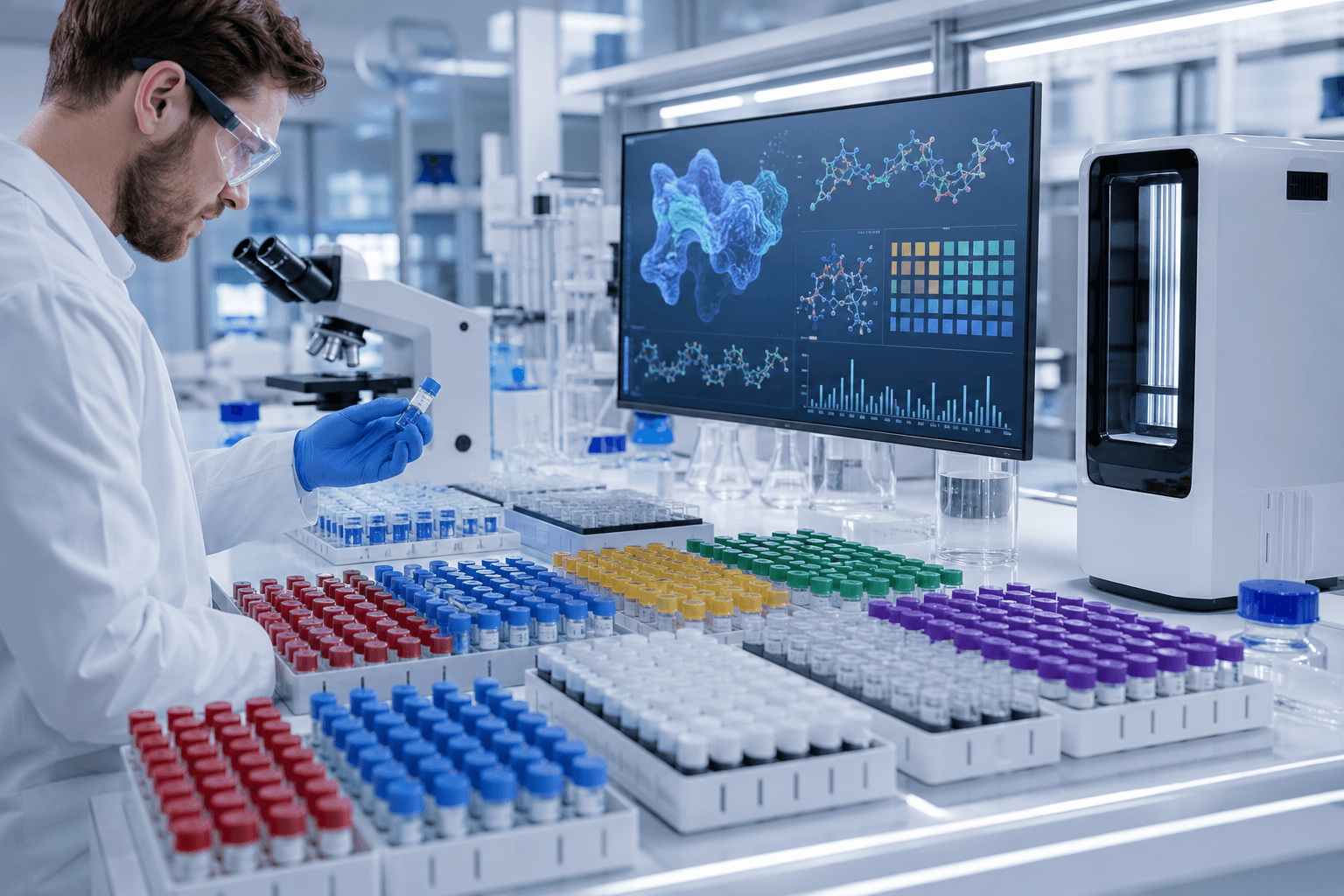
On this page you will find a fully comprehensive list of every research peptide that Pharma Lab provides to the scientific community worldwide. This is not a shopping page. Instead, it is a meticulously compiled catalogue of sixty-five specific compounds, categorised according to the research areas they serve, and described with enough academic breadth and depth to give you an idea of what each one is and why it matters.
This catalogue has been built by Pharma Lab to support researchers across a truly broad scope of scientific fields. These compounds are relevant to all laboratory models, whether your work is in immunology, endocrinology, neuroscience, metabolic research, tissue repair science, cellular ageing biology, reproductive sciences or dermatological investigation. The catalogue has been informed by the demands of the researchers we support the compounds below are what laboratories worldwide are currently requesting, investigating and publishing about.
The catalogue is organised into different categories of research, each relating to a specific area of peptide science. Along each category you will find an overview of the research field and individual information on every peptide offered by Pharma Lab in that section. Categories span tissue repair, growth hormone science, cognition, immune modulation and reproductive biology — among others. Many peptides could reasonably fit into more than one category — BPC-157, for instance, straddles the tissue repair, gut health and neuroprotective fields. We have assigned each peptide to the category which we believe best reflects its predominant area of research, though due to the cross-disciplinary nature of peptide science many of these compounds will be relevant to those working in more than one field. For US-based researchers, a Cartalax peptide vial available for US is also offered through our regional catalogue.
All of the peptides on this page share three things in common. First, each is produced to a purity level of ninety-nine percent or above, with more complex sequences maintained at ninety-eight percent and higher. Second, HPLC purification and mass spectrometry analysis is performed with every batch prior to being released for shipment. Third, all products are obtained directly from reputable sources no third-party middlemen, no repackaged product, and complete clarity on the provenance of the compound. These three commitments apply equally to the first peptide on this page and the last.
The descriptions below are provided for the sake of knowledge and are not intended to be exhaustive. Each peptide has a brief description that summarises what it is, in which field of research it is involved and why it is scientifically interesting. Treat this page as a starting point a reference that will guide you to the compounds most relevant to your work, with Pharma Lab supplying them all to the highest quality standards.

In the whole range of peptide studies, perhaps the most applied are those dedicated to tissue repair. The identification that certain peptide sequences have the capacity to expedite healthy healing, promote cell migration, stimulate angiogenesis and reduce inflammation at sites of injury has made this one of the most actively studied areas of the field. Researchers can also Learn more about the Cartalax peptide vial as a complementary bioregulator option. This is particularly relevant to researchers investigating musculoskeletal injuries, gastrointestinal damage, nerve regeneration and soft tissue recovery. The five peptides available from Pharma Lab in this class each offer a unique research profile.
A synthetic pentadecapeptide first isolated from a protective protein in human gastric juice. BPC-157 has been one of the most heavily researched tissue repair peptides by the research community. Many studies have evaluated its effects following skeletal muscle, tendon, ligament and soft tissue injury, focusing on its angiogenic properties — its relevance as a stimulant to new vessel formation at the site of injury. Researchers have additionally investigated its ability to defend the gastric lining from damage caused by NSAIDs and promote nerve regeneration after injury. This profile, combined with broad tissue applicability, is why it remains one of the principal components of regenerative-related research.
A forty-three amino acid protein that is a major player in cell migration, wound healing and tissue regeneration. Studies have shown that TB500 works by recruiting satellite cells to the area of damaged muscle, regulating inflammatory responses via inhibition of pro-inflammatory cytokines and promoting angiogenesis for increased blood flow to injured areas. Its application is not restricted to muscle alone but extends through repair of ligament, tendon, skin and cardiovascular tissue.
An IGF-1 splice variant that is expressed from activation of mechanical stress in muscle tissue. MGF has been investigated in terms of its role in satellite cell activation — the stem cells from which new muscle fibres are developed — and supporting localised muscle repair and hypertrophy when an area is stressed by exercise or injury.
A modified form of MGF in which a polyethylene glycol chain has been attached to increase its biological half-life. This PEGylation yields extended activity in experimental models, which is especially relevant for research into sustained growth factor signalling and muscle recovery during longer time frames.
A peptide that has been investigated for its osteogenic potential — its ability to induce bone formation and osteogenic differentiation. It has been well studied for its actions on signalling pathways relevant to fracture healing, bone regeneration and musculoskeletal medicine research because it activates pathways mediating skeletal tissue repair.
All tissue repair peptides provided by Pharma Lab are made to ninety-nine percent or greater purity and can be dispatched directly to research laboratories everywhere in the world.

Growth hormone research has led to many of the most important advances in our understanding of metabolic processes, body composition, cellular repair and ageing. These peptides have separate mechanisms — some stimulate GH release through ghrelin receptor activity, several act as GHRH analogues, and others represent the hormone itself or its active fragments — researchers may Order GHRP-2 CJC-1295 DAC Peptide Combo USA for comparative studies. This is the largest category in the Pharma Lab catalogue, with twelve compounds identified as the most scientifically relevant.
A GHRH analogue modified with a Drug Affinity Complex that binds tightly to albumin in the bloodstream, allowing for an extremely long half-life. This enables prolonged low-level pulsatile growth hormone release over days instead of hours. It is investigated in preclinical models for effects on body composition, metabolism and recovery.
The identical basic GHRH analogue as above but without the DAC extension, resulting in shorter, more pulse-like releases of growth hormone. Whenever researchers want a model that more closely resembles the natural rhythmic patterns of GH secretion, they often study this variant.
A synthetic hexapeptide that stimulates growth hormone secretion via the ghrelin receptor. GHRP-2 is investigated for strong GH-releasing effects as well as its influence on appetite and metabolic function. It remains one of the most commonly used GH secretagogues in research.
One of the first growth hormone releasing peptides studied in clinical research. GHRP-6 works at the ghrelin receptor to promote GH release, and is noted for being an appetite stimulator and having some initial neuroprotective effects in experimental models.
A potent GH secretagogue that has been studied not only for its GH-releasing activity but with a unique cardiac research profile. The effects of hexarelin differ when it comes to cardioprotection, and studies have reported that it may act as a cardioprotective agent in experimental contexts.
Considered one of the most selective GH secretagogues available for research purposes. Ipamorelin releases growth hormone while having little to no effect on cortisol or prolactin, giving it a uniquely clean profile. It is investigated for impact on bone density, body composition, sleep quality and recovery.
A synthetic analogue of the first twenty-nine amino acids of natural GHRH and one of the most well-characterised GH-releasing peptides in the literature. Studies of GH deficiency models, body composition, sleep architecture and its relationship to metabolic health have been published extensively.
A GHRH analogue that has been studied intensively for its impact on visceral fat. Notably it has been investigated for its role in the reduction of abdominal fat accumulation and improving lipid profile, which makes it a target compound studied extensively in metabolic and body composition research.
An orally bioactive, non-peptide compound that acts as a ghrelin secretagogue mimicking ghrelin signalling. MK-677 is researched for increases in GH and IGF-1 without the need for injection, as well as for its effects on appetite, sleep quality and bone mineral density.
The full 191-amino-acid sequence of human growth hormone in its synthetic form. It is regarded as the gold standard in GH studies and is researched with regard to its systemic actions on growth, tissue regeneration, metabolism and body composition.
A short segment of the HGH chain containing amino acids at position 176 through 191. This peptide fragment is examined specifically for its lipolytic activity, as studies show it stimulates lipid metabolism by enhancing lipolysis and suppressing lipogenesis while lacking the systemic growth-promoting effects of full-length GH.
A more stable analogue of human IGF-1, with a substitution at position three. IGF-1 LR3 has potent anabolic effects on muscle tissue, induces cell proliferation and activates growth factor signalling cascades in experimental models.
All growth hormone related peptides from Pharma Lab are supplied with full batch documentation, HPLC verification and tracked shipping worldwide.

In recent years, ageing research has turned a substantial corner. What was once a fringe subject is now a major field within science, with significant progress in our understanding of telomere biology, cellular senescence, mitochondrial dysfunction and oxidative stress. This category contains some of the most interesting compounds in the Pharma Lab catalogue — each targeting a unique portion of the cellular ageing process. From telomerase activators to senolytic peptides to mitochondrial-derived signalling molecules, these eight compounds illustrate the incredible variety of strategies available for understanding the molecular mechanisms of ageing and how one might potentially intervene.
A synthetic analogue of the natural polypeptide produced by the pineal gland, Epithalamin. Epithalon is mainly studied for its property to stimulate telomerase, the enzyme that maintains telomere length at the ends of chromosomes. Research also explores its influence on melatonin regulation, sleep quality, immune modulation and antioxidant defence. It is one of the most widely referenced peptides in longevity research.
A peptide designed to block the interaction of FOXO4 with p53 in senescent cells. FOXO4-DRI has been developed as an experimental agent to specifically induce apoptosis in senescent cells by modulating this interaction, representing a key approach in senolytic research — the strategy of eliminating senescent cells while leaving healthy ones unharmed.
A naturally occurring tripeptide that is always paired with a copper ion and studied for an incredibly wide range of biological activities. Research covers wound healing, collagen synthesis, skin remodelling, antioxidant signalling pathways, anti-inflammatory mechanisms and DNA repair. GHK-Cu is among the most studied peptides in regenerative and cosmetic science, with many additional applications beyond these fields.
A cytoprotective peptide encoded in mitochondrial DNA. Of great interest in research on age-related neurodegeneration, it is studied for its ability to protect cells from oxidative stress, apoptosis and amyloid-beta toxicity.
Another mitochondrial-derived peptide, MOTS-C is explored for its ability to regulate metabolic homeostasis and insulin sensitivity, attenuate oxidative damage and stimulate exercise-mimetic signalling. Researchers describe it as a mitochondrial signal that communicates with the nucleus and regulates energy pathways in cells — an important factor in ageing and metabolic disease research.
Nicotinamide adenine dinucleotide is a coenzyme involved in cellular energy production, DNA repair and sirtuin activation. The field of NAD+ supplementation research aims to restore mitochondrial function, reverse age-related metabolic decline and boost the resilience of cells under stress.
A dermatologically researched peptide that affects neuromuscular activity of the skin. Studies have explored its efficacy as a method to decrease the strength of contractions responsible for facial expression lines, leading it to be investigated in topical anti-ageing research contexts.
A well-researched lipopeptide that stimulates collagen and fibronectin fibre production from dermal fibroblasts. In cosmetic science research, Matrixyl is studied as a compound that aids in skin repair and may contribute to benefits such as reduction in wrinkle depth and extracellular matrix regeneration.
All anti-ageing and longevity peptides from Pharma Lab are verified via the same rigorous HPLC and mass spectrometry testing protocols standardised for all compounds in the catalogue.

Metabolic research represents one of the most rapidly moving areas in modern biomedical science, largely driven by an international imperative to molecularly understand obesity, insulin resistance and energy regulation. The peptides within this group modulate fat metabolism through mechanisms that include AMPK activation, NNMT inhibition, lipolytic signalling, disruption of adipose tissue vascularity and modulation of neurotransmitter reuptake. Pharma Lab supplies six compounds in this category, each representing a fundamentally different approach to the same general area of scientific investigation.
A small molecule inhibitor of the enzyme nicotinamide N-methyltransferase (NNMT). Its role is being studied regarding how it impacts cellular energy metabolism and fat cell differentiation. 5-Amino-1MQ has been shown in studies to reduce fat accumulation and elevate cellular metabolic rate by modulating the NAD+ salvage pathway.
A truncated human growth hormone analogue studied exclusively for its effects on lipolysis. Studies suggest AOD-9604 may promote the utilisation of fat and prevent the conversion of non-fat foods into body fat, but does not affect blood sugar levels and does not produce the generalised growth action of whole HGH.
An AMP-activated protein kinase (AMPK) activator that has gained considerable interest as an exercise mimetic. Studies show that AICAR can boost the oxidation of fatty acids, improve glucose uptake and stimulate mitochondrial biogenesis — in effect, mimicking part of the cellular effects of exercise.
A peptidomimetic that approaches fat reduction differently from other compounds. FTPP works through a distinct mechanism: it induces apoptosis of the blood vessels that feed white adipose tissue, thereby reducing the blood supply to fat deposits rather than targeting the fat cells directly.
Initially developed to research its use in neurodegenerative disease, tesofensine garnered attention when clinical trials demonstrated significant effects on body weight. As a triple reuptake inhibitor of serotonin, norepinephrine and dopamine, it decreases appetite and energy intake whilst increasing energy expenditure.
Compounds that activate the AMP-activated protein kinase pathway, a key regulatory master switch in cellular energy balance. AMPK activators are studied with respect to downstream effects on glucose metabolism, fatty acid oxidation and mitochondrial function — all of which are central to metabolic research.
The metabolic peptide range from Pharma Lab is representative of the many approaches being explored in modern weight management and energy regulation research.
The immune system is incredibly complex, and among the most investigated peptides that modulate it are some of the most active molecules in biomedicine. In this class you will find peptides that promote T-cell development, target inflammatory cascades, exert antimicrobial effects, reinforce mucosal barriers and recuperate age-related immunity. For researchers in immunology, gastroenterology and infectious disease, this is a particularly rich portion of the Pharma Lab catalogue. These eight compounds represent a diverse range of interventions: from thymic bioregulators that enhance immune cell production to antimicrobial peptides that bind directly to pathogens to anti-inflammatory fragments that reduce inflammation in gut tissue.
One of the most researched immune-modulating peptides available in scientific literature. Studies have shown that it helps in the differentiation of T-cells, triggers natural killer cells and dendritic cells, and improves antigen presentation. It is examined across models of immunodeficiency, chronic infection and in the context of autoimmune disease.
A polypeptide fraction initially isolated from thymus, researched as a T-cell stimulant and rejuvenator of aged thymic function. Ageing is characterised by immunosenescence, where thymic involution causes reduced T-cell output and limited capacity to generate new immune cells.
A remarkably short dipeptide — two amino acids only — with activity at the epigenetic level through its affinity for DNA and chromatin. Studies suggest that Vilon may enhance differentiation of T-helper and cytotoxic T-cells, together with activation of gene expression in senescent immune cells. It is a member of the bioregulatory peptide family.
A host defence peptide from human tissue with broad activity against bacteria, viruses and fungi. Beyond its antimicrobial effect, LL-37 can promote wound healing, act as a chemotactic factor for immune cells and modulate inflammatory signalling pathways.
A tripeptide fragment of alpha-melanocyte-stimulating hormone with potent anti-inflammatory activity in gut mucosal tissue. It is researched for its possible application in inflammatory bowel disease models such as ulcerative colitis and Crohn's disease investigation.
A twenty-eight amino acid neuropeptide that acts as an anti-inflammatory, immunomodulatory and vasodilator compound. VIP is relevant to gastroenterology, pulmonology and neuroscience with its use reported in studies of gut health, airway function and neuroinflammation.
A tracheobronchial bioregulator peptide with a focus on lung function. Research examines its potential to support bronchial and lung tissue activity, particularly with regard to models of age-related deterioration of the respiratory system and tissue reparation.
The most abundant endogenous antioxidant in the body, a tripeptide of crucial importance in cellular detoxification, reduction of oxidative stress and immune cell function. Research has focused on the restorative role of glutathione for antioxidant capacity, hepatic function and maintaining adaptive immunity under conditions of oxidative stress.
All immune and anti-inflammatory peptides are offered by Pharma Lab complete with batch-specific HPLC certificates and tracked delivery worldwide.

The brain is one of the most complex organs in the body, and studying peptides that affect its function requires suitable care and precision. This category includes compounds that enhance neurotransmission, stimulate neurogenesis, confer neuroprotective effects, regulate sleep architecture and support cognitive performance. This group will be particularly relevant to researchers in neuroscience, behavioural psychology and sleep medicine.
A synthetic heptapeptide analogue of tuftsin that has been mostly researched for its anxiolytic and nootropic effects. Selank functions via modulation of the GABAergic system and gene expression changes associated with neurotransmission pathways. Much research has investigated its role in decreasing anxiety, enhancing memory consolidation and improving overall cognitive performance.
A synthetic peptide derived from ACTH that has been studied as a neuroprotective and cognitive enhancer. Research is concentrated on its modulation of brain-derived neurotrophic factor (BDNF), as well as on the dopaminergic and serotonergic pathways, and its possible support to synaptic plasticity and neuronal adaptation under stress conditions.
A synthetic compound investigated for its neurotrophic properties and its ability to promote neurogenesis. Research is examining the modulation of P-21 as a potential enhancer for memory and cognition in animal models of age-related cognitive impairment and neurodegenerative diseases.
A neuropeptide first discovered for its capacity to stimulate delta wave sleep — the deepest and most restorative phase of the sleep cycle. In addition to sleep, DSIP can influence other systems including the regulation of the stress response and endocrine modulation, attracting attention not only from sleep science but also as a neuroendocrine modulator.
The core neuropeptide responsible for regulating wakefulness, appetite and energy homeostasis. Orexin A studies have major implications for narcolepsy research, the neurophysiological mechanisms of sleep-wake cycle dysregulation and understanding how alertness and arousal states are regulated by the brain.
A short bioregulatory tripeptide investigated for its impact on central nervous system function at the gene expression level. Its possible role in enhancing cognition and providing neuroprotective effects is studied using models of ageing brain tissue.
A nootropic analogue researched for benefits related to cognition, memory consolidation and mental clarity. Explorations of its possible capacity to improve information processing and maintain cognitive function over longer periods have been conducted exclusively in laboratory research.
Each cognitive and neuroprotective peptide in this class is provided by Pharma Lab at verified ninety-nine percent or greater purity, prepared for laboratory use.

Peptide research has had a significant and quantifiable effect on the fields of reproductive biology and endocrinology. These compounds regulate gonadotropin release, modulate sexual function via central nervous system pathways, affect thyroid signalling and influence social and emotional behaviour. Pharma Lab provides nine peptides in this category, reflecting the breadth of research still being carried out across reproductive and hormonal science.
A neuropeptide that sits at the top of the reproductive hormone cascade. Kisspeptin is the main hormone responsible for GnRH secretion, which in turn stimulates the pulsatile release of LH and FSH. It is studied for its central role in initiating puberty, regulating fertility and transmitting reproductive endocrine signalling.
A synthetic form of gonadotropin-releasing hormone itself. Gonadorelin has been widely used in research investigation of LH and FSH release dynamics, performing pituitary function testing and assessing the effects of various drugs that inhibit or stimulate reproductive hormone secretion. It continues to be a fundamental tool in reproductive endocrinology research.
A glycoprotein hormone that mimics the action of LH, examined for its function in stimulating testosterone production and maintaining gonadal function. HCG is a widely used tool in research involving reproductive hormone manipulation and fertility studies.
A compound containing both FSH and LH biological activity, investigated for the stimulation of gonadal function. Its research applications range from controlled ovarian stimulation studies to broader investigations of reproductive hormone regulation.
A melanocortin receptor agonist with a novel mechanism of action that influences sexual function primarily through the central nervous system rather than peripheral vascular mediators. PT-141 is studied for its effects on melanocortin-mediated sexual behaviour, approach and arousal response over time.
A GnRH agonist that has an initial stimulatory action on gonadotropin release but ultimately leads to a reduction in hormone levels caused by receptor downregulation. It is studied in reproductive endocrinology, hormone-dependent disease research and controlled models of hormonal manipulation.
A neuropeptide linked with social behaviour, often described as the bonding hormone since it promotes trust, empathy and healthy reproductive function while helping to regulate stress. Research reaches across neuroscience, psychology and endocrinology, making it one of the most cross-disciplinary peptides in the entire catalogue.
A single-chain peptide analogue of the hormone relaxin, which plays a role in tissue remodelling and vascular function. B7-33 is studied as a potential anti-fibrotic agent, for its cardiovascular effects, and in reproductive tissue physiology including pregnancy-related tissue adaptation.
Thyrotropin-releasing hormone — a tripeptide that releases TSH and prolactin from the anterior pituitary. Protirelin is researched for testing thyroid function, studying the neuroendocrine axis and use as a reference standard in endocrine experiments.
The reproductive and endocrine peptide range from Pharma Lab is provided with full batch documentation for every compound, sourced directly from the manufacturer.

Since the discovery of myostatin — the natural protein that inhibits muscle growth — scientists have worked to uncover how to modulate its activity. Peptides in this category are studied for their ability to either interfere with the myostatin signalling pathway or otherwise promote muscle hypertrophy beyond what normal physiology would allow. These three compounds will be of interest to researchers in exercise science, musculoskeletal biology and conditions involving muscle wasting.
A soluble form of the activin receptor type IIB, which acts as a decoy receptor that binds myostatin and other TGF-beta superfamily ligands to prevent them from signalling through the native receptor. Research has looked into whether it can stimulate muscle growth by eliminating a molecular brake that naturally works to keep muscle mass capped.
A naturally occurring glycoprotein and one of the body's own myostatin antagonists. Follistatin 344 suppresses myostatin, activin and other negative regulators of muscle growth. It is one of the most well-researched natural myostatin inhibitors in the scientific literature.
The myostatin protein itself, provided as a reference compound for laboratories interested in studying the myostatin signalling pathway. This is particularly important for researchers developing and testing myostatin inhibitors, studying muscle growth regulation at the molecular level, or performing receptor binding assays — they need access to the actual protein.
All muscle-building and myostatin inhibitor peptides from Pharma Lab are provided with quality assurance of proven purity and full documentation of analysis.

The melanocortin receptor system is a key modulator of melanogenesis — the biological process through which skin cells produce melanin. These two peptides are synthetic analogues of alpha-melanocyte-stimulating hormone, both explored for their effects on melanin production and skin pigmentation. This area of investigation overlaps with dermatology, photobiology and the science of photoprotection.
A linear synthetic peptide analogue of alpha-MSH, utilised for its activity in promoting eumelanin synthesis in melanocytes. It has been suggested for its possible photoprotective role and the hypothesis that increased melanin production could offer a degree of biological skin protection against ultraviolet radiation damage.
A cyclic, non-selective melanocortin receptor agonist that is more broadly active than Melanotan 1. In addition to melanogenesis, Melanotan 2 has been evaluated for effects on appetite suppression and sexual function due to its activity at several different melanocortin receptor subtypes.
Pharma Lab provides ninety-nine percent or greater verified concentrations of both melanocortin peptides for dermatology and photobiology researchers.
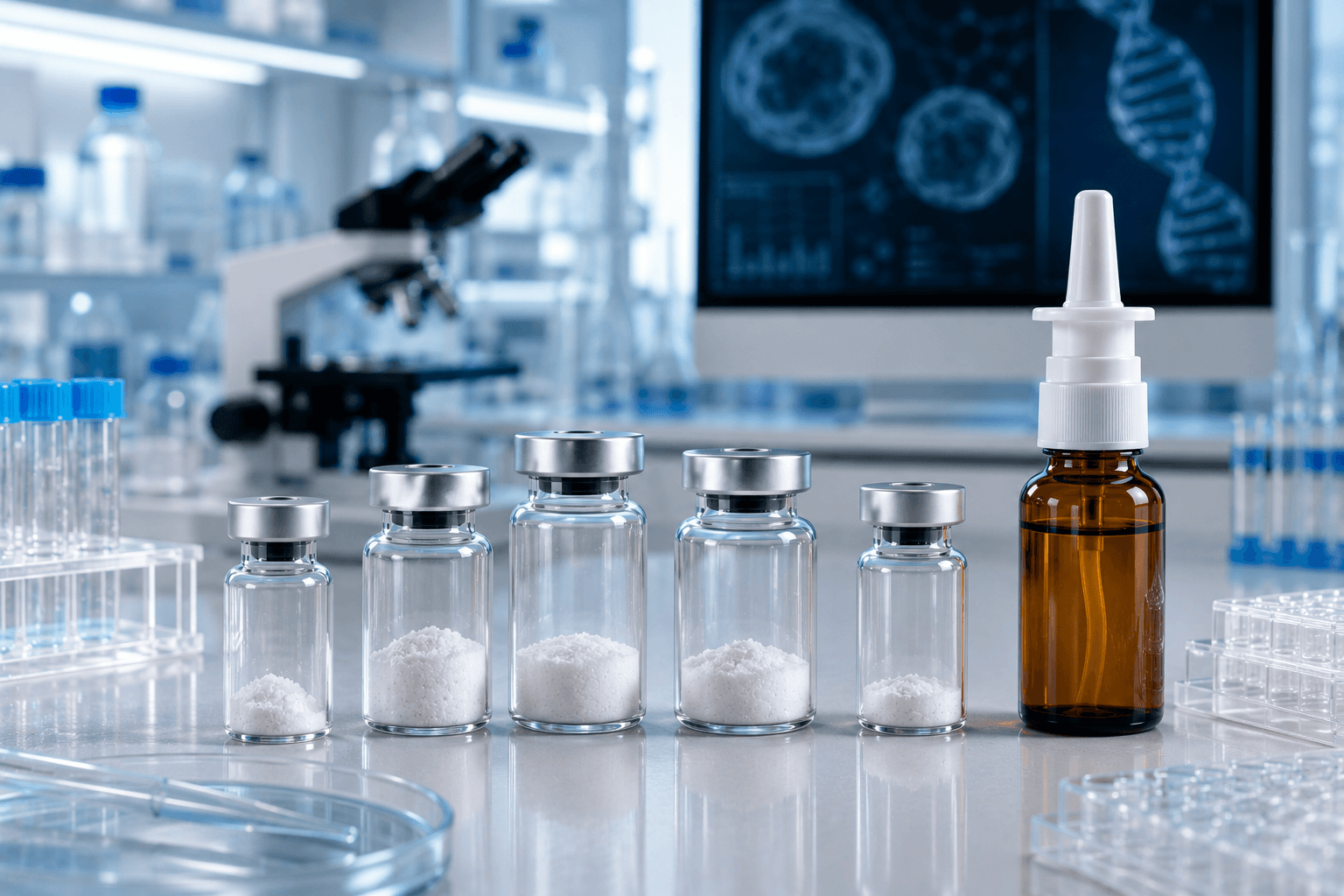
Not every peptide falls cleanly into a single research domain, and some of the most fascinating scientific compounds are those that defy easy classification. This final chapter of the Pharma Lab catalogue groups five products from different, often novel areas of research: tissue-protective derivatives, erythropoietin analogues, selective anti-cancer peptides, bioregulators and new delivery formats. While these compounds do not share a single research theme, they all meet the same high quality threshold and provide researchers with access to scientifically valuable tools.
A non-erythropoietic peptide based on erythropoietin (EPO) that retains the tissue-protective properties of EPO without stimulating red blood cell production. ARA-290 has been studied preclinically in different models for neuropathic pain, tissue repair of diabetic wounds and anti-inflammatory activity in models of metabolic syndrome.
A synthetic peptide known for its property of selectively targeting and eliminating cancer cells while sparing normal cells. It is studied for a dual-action mechanism — primarily through interaction with the HDM-2 protein that is overexpressed in certain cell types, and secondly for its unique ability to induce membrane necrosis in those cells.
A comprehensive bioregulatory peptide examined in research for its influence on cartilage tissue and overall musculoskeletal wellness. Research is exploring whether it could enhance repair mechanisms in cartilage and preserve joint function, particularly with respect to models of musculoskeletal decline in ageing or osteoarthritis.
A specific research peptide included in the Pharma Lab catalogue for its biological activity profile and relevance to investigators studying its action pattern. As with all catalogue products, Human C is supplied to verified purity specifications and for laboratory research use only.
A spray formulation of cobalamin intended for research on a non-injectable route of vitamin delivery. Pharmacokinetic studies of nasal mucosal absorption as well as bioavailability comparisons with more conventional routes demonstrate that supplementation using the nasal route may be sufficient for essential micronutrients in experimental contexts.
All specialised compounds in this section are held to Pharma Lab quality — ninety-nine percent or greater purity, HPLC checked and prepared for research.
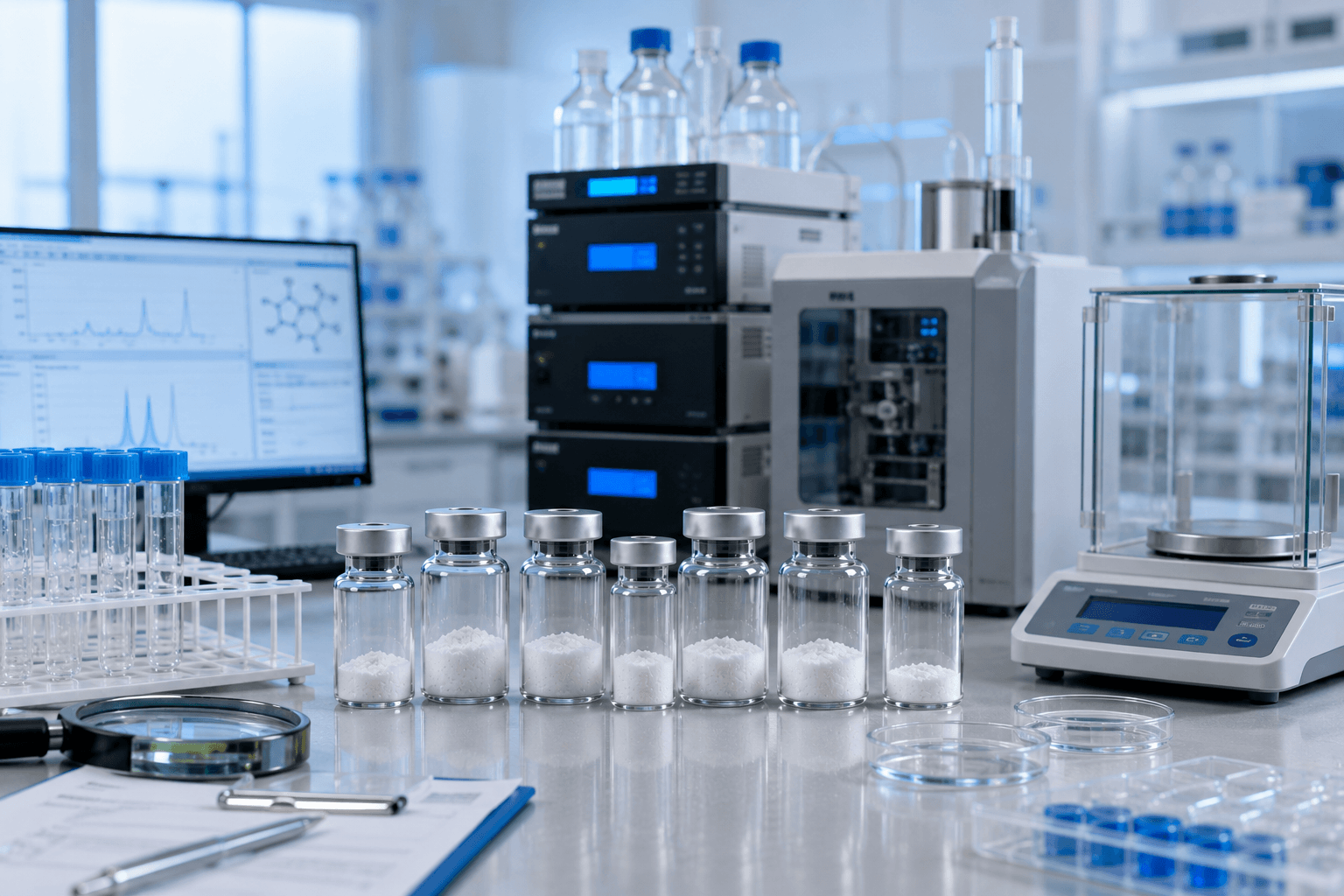
There is little to be gained from speaking about quality in general terms. When you are providing sixty-five different peptide compounds to researchers in dozens of countries, generalities are not good enough. What quality means at Pharma Lab, in concrete terms that matter to your work, is this:
The same quality control processes apply to every single peptide listed on this page — from BPC-157 through to Vitamin B12 Nasal Spray. This applies irrespective of popularity, complexity or any other factor. HPLC purification is employed on a batch-by-batch basis, yielding the sensitivity needed for separating and identifying the components of each sample. Every batch is then validated by mass spectrometry, which confirms that the peptide contains the expected molecular composition as determined by measuring the mass-to-charge ratio. Combined, these two methods provide a full quality profile encompassing both purity and identity.
Standard peptide sequences carry a purity standard of ninety-nine percent or more, or ninety-eight percent for complex sequences. These are tested at each batch and documented. No batch ever ships if it fails to meet the benchmark. We also encourage independent testing — any Pharma Lab product can be sent to a third-party laboratory for verification with HPLC, mass spectrometry, amino acid analysis or MALDI. We stand by what we provide, and independent analysis only reinforces the confidence our customers place in us.
The direct sourcing model is also critically important here. Pharma Lab has established a transparent supply chain from synthesis to delivery by obtaining peptides directly from identified manufacturers who synthesise these compounds. There are no middlemen reselling products, no warehouses with ambiguous storage conditions and no gaps in the chain of custody. When a Pharma Lab peptide arrives in your laboratory, you know where it came from and what quality controls it went through before reaching your facility.
The quality equation also includes proper storage and handling. Peptides are sensitive molecules with varying stability that can break down through the effects of heat, moisture and light exposure. All products are stored in controlled environments specifically designed to preserve peptide stability from the point when a batch clears quality control through to packaging and dispatch. All items are shipped with tracked, signed-for delivery and protective packaging to ensure that products arrive in the condition they left the facility. These are not afterthoughts — these are essential steps in a quality chain we take seriously from beginning to end.

This is what Pharma Lab offers to laboratories, universities and researchers worldwide every single day. This catalogue is a result of listening to the research community — understanding what compounds scientists are requesting, identifying active areas of research and determining where reliability challenges exist in the supply chain.
The result holds the full spectrum: tissue repair and immune modulation, growth hormone science and metabolic research, cognitive science and reproductive biology, anti-ageing and cellular health, muscle physiology and dermatological science, as well as specialised compounds that push the boundaries of what peptide research can achieve.
This catalogue is not static. As the field continues to develop and new peptides emerge in the scientific literature, Pharma Lab introduces new compounds with the same quality and oversight standards. We welcome you to reach out if there is a peptide you require that is not listed here. A number of the compounds you see in this catalogue were added because a researcher with a specific area of interest simply asked.
Every compound on this page is sourced directly from reputable manufacturers, with each batch tested using HPLC and mass spectrometry, and shipped with signed-for delivery tracked through to your research facility anywhere in the world. That commitment extends to every product, every order and every researcher we serve.
Pharma Lab is here to ensure that quality is never a variable in your peptide supply. The science is complicated enough your materials should not add to that complexity.